

In ancient Rome, bathing wasn’t merely about getting clean. Elaborate, ornate public bath houses were cultural and social hubs in most large Roman communities; places where you could come and soak and socialize in various heated pools and steam rooms. Everything from business transactions to political meetings to the ancient equivalent of a lunch date transpired within the bathhouse walls. Many even had areas of religious significance. Unfortunately, though the practice of public bathing remains important in many European countries, it fell out of favor in England and never quite made it to the States. That said, in England in the 19th century there was a resurgence in the desire to soak – if not publicly! – that brought about the creation of the Roman bathtub, which attempted to recreate the luxurious bathing experience of the Roman baths in private, and is still available today.
What is a Roman Bathtub?

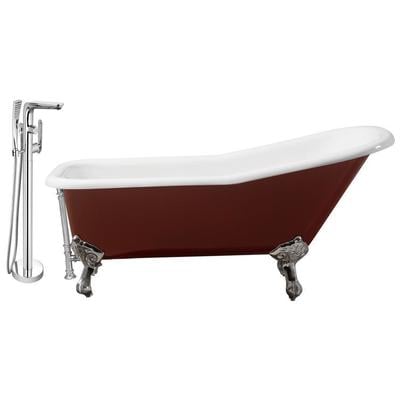
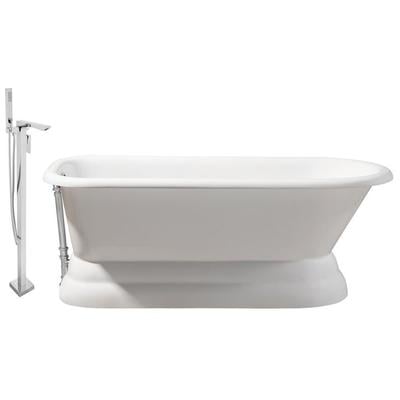
The primary and most important features of a roman bathtub are that it should be very large and can contain a lot of water. Roman baths were often built around natural hot springs, and were deep enough to lounge in comfortably. So too are roman tubs – they tend to be more than five feet long and much taller than your average bathtub. Superficially, any deep freestanding tub, like this Julieta tub, can pass for a Roman tub.

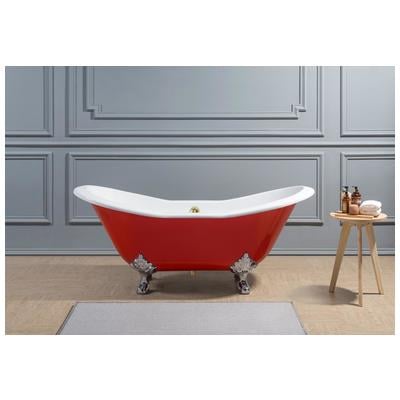
One thing that a Roman bathtub will absolutely NEVER have is jets or air streams. While a whirlpool tub can be great and invigorating, the primary goal of a Roman tub is pure and complete relaxation. You can maybe throw in a bath bomb or some mineral salts, but that should be all the fizz you see. The soak itself is the experience! Tubs like this Ruby Tub get the most mileage out of their simplicity. A simple roman tub affords you peace, quiet, and natural serenity that you can’t get from a motor-powered hot tub.
Any Other Unique Features?

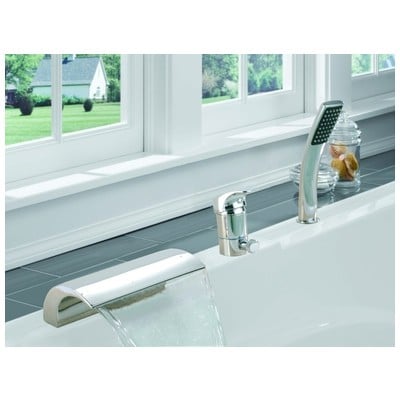
That said, genuine Roman bathtubs often go a step farther than merely being large soaking tubs. In addition to having a very high water capacity due to their size and shape, they also often have very thick walls and decks, like this Venus tub. These wider rims allow you to install the faucet on the edge (or “deck”) of the tub rather than mounting it to the wall like a traditional tub spout, or with a lot of extra hardware outside it like a traditional freestanding tub filler. This also allows the overflow hardware to be installed higher on the tub to further increase the amount of water the tub can hold.
Shop Freestanding Bathtubs:
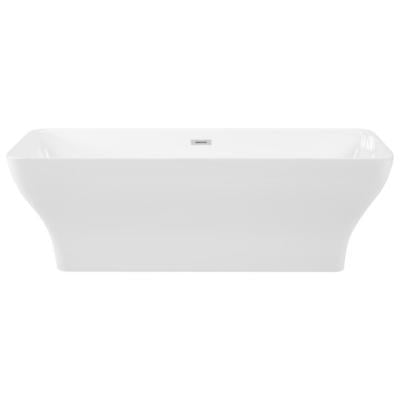
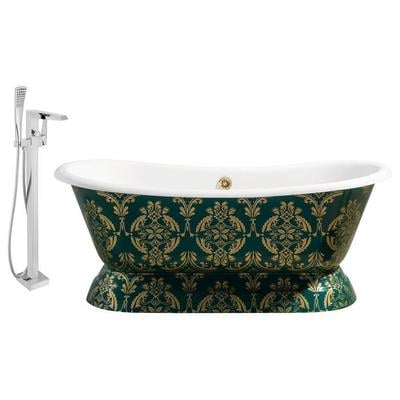
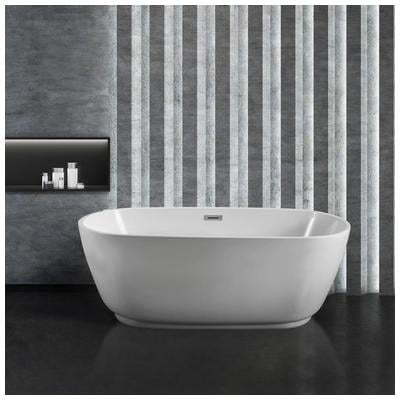
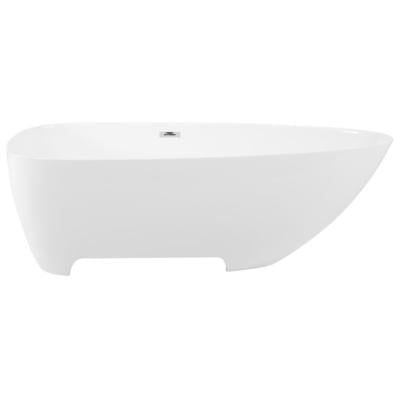
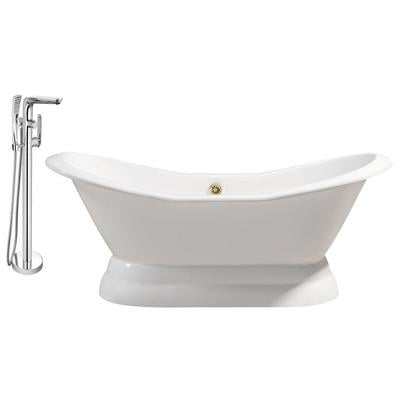
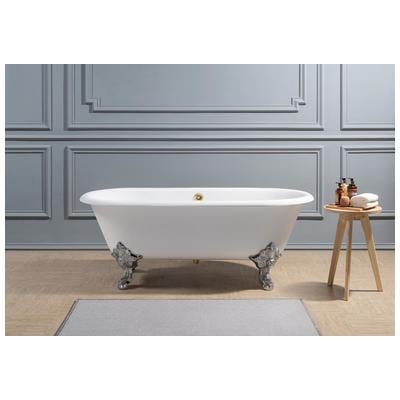
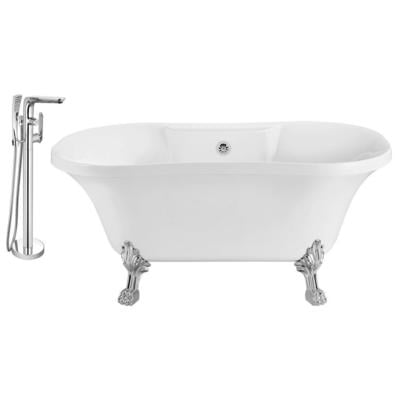
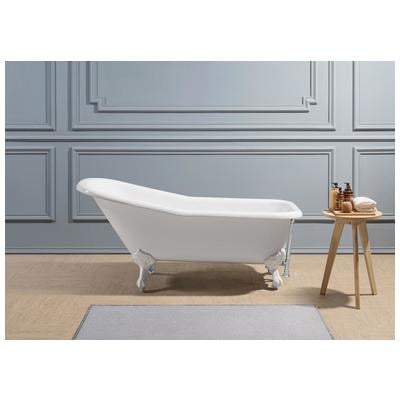
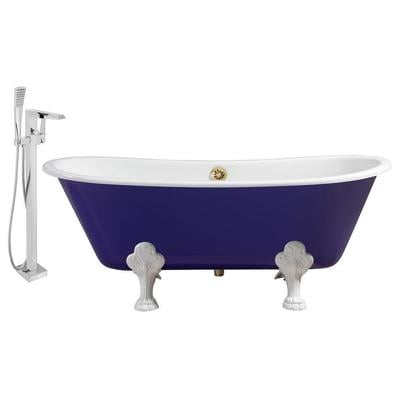
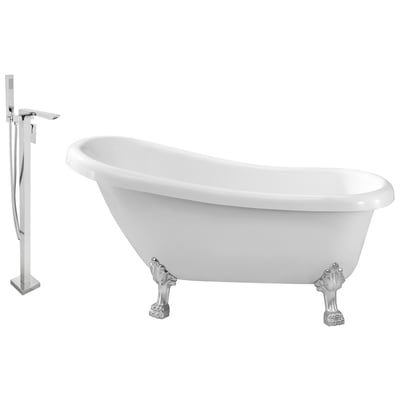
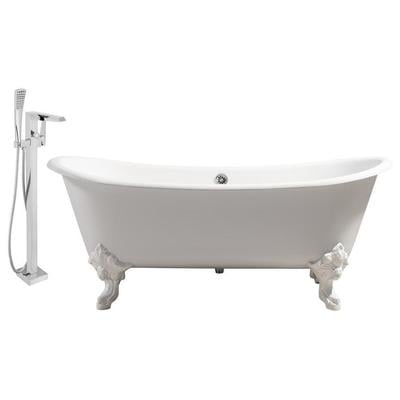
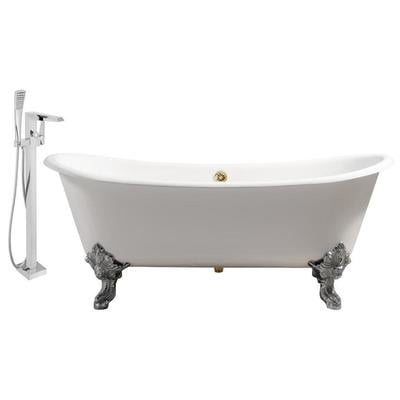
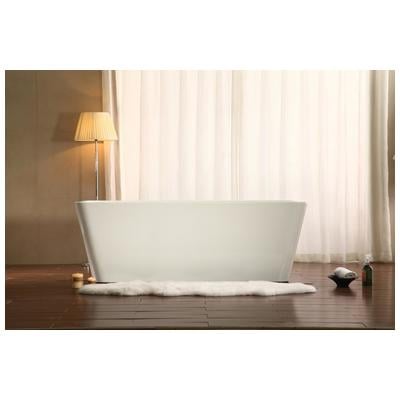
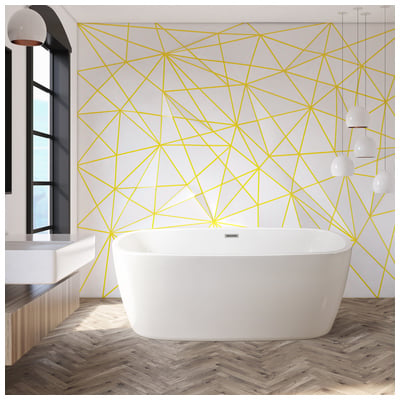
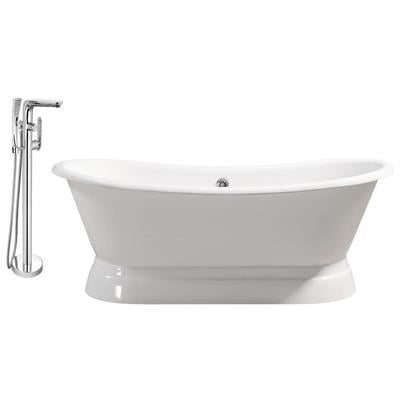
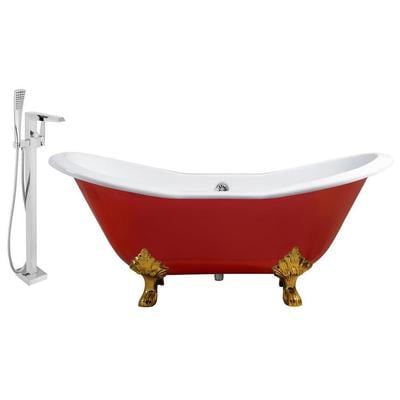
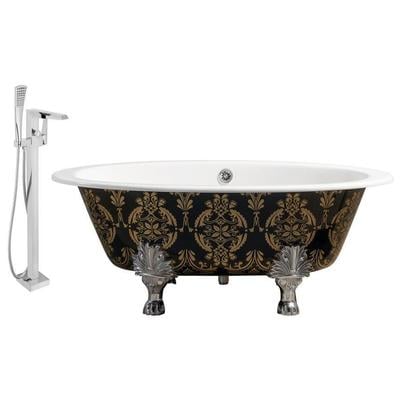
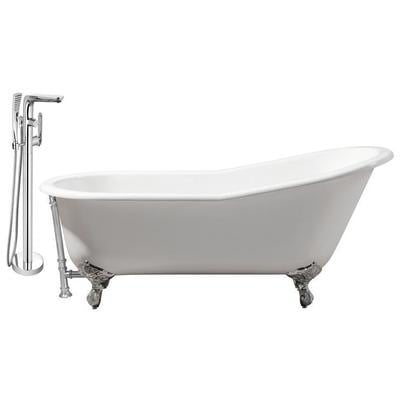
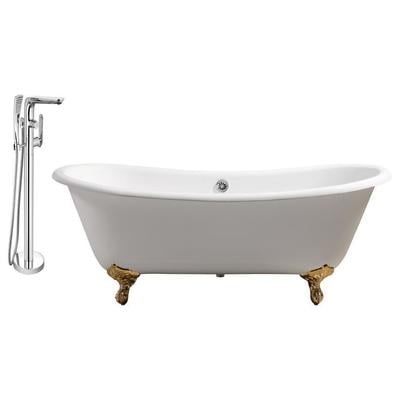
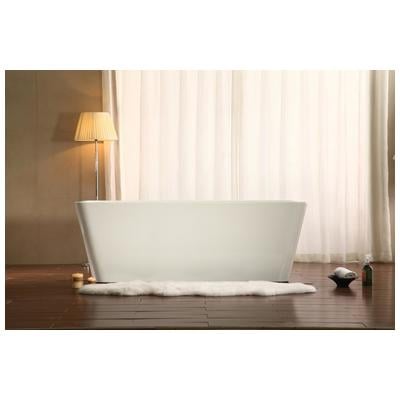
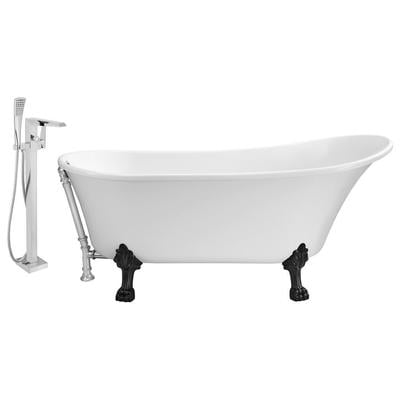
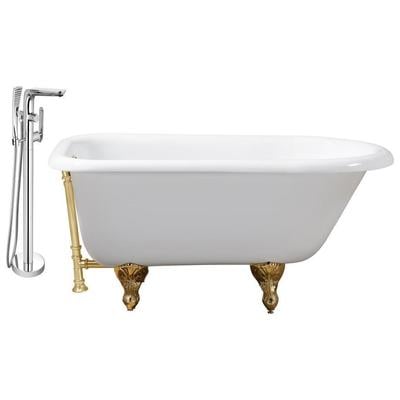
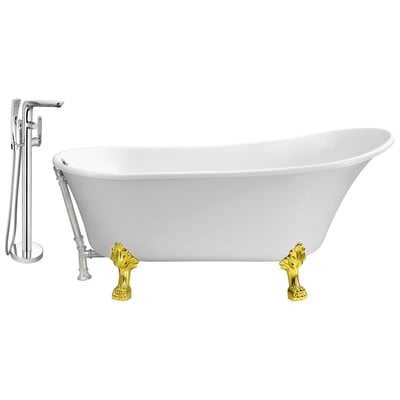
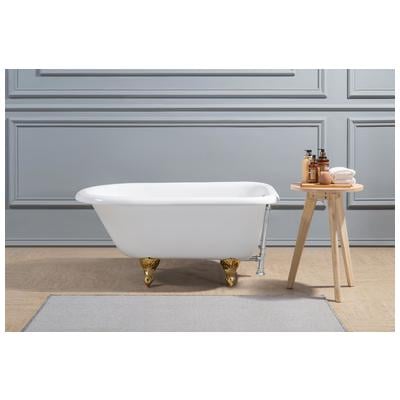
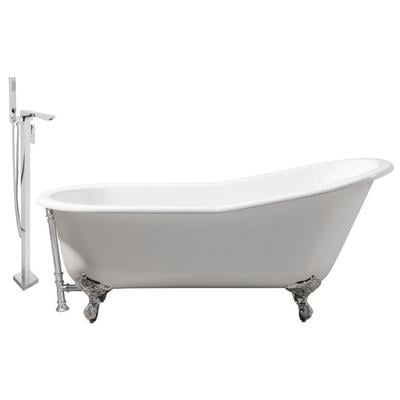
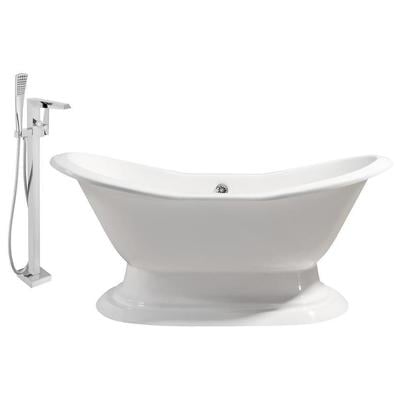
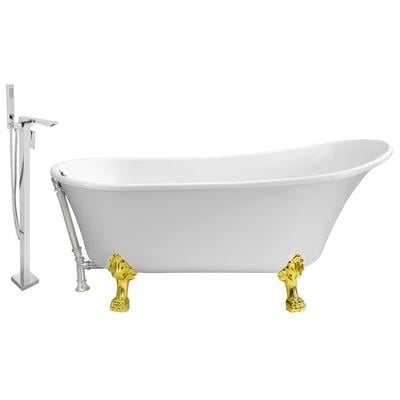
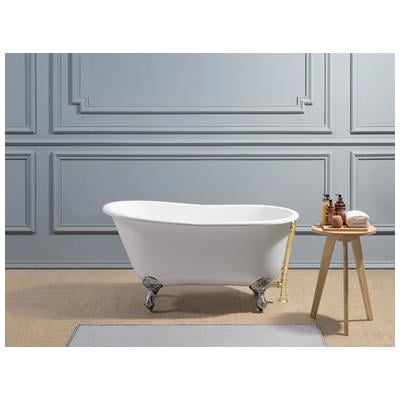
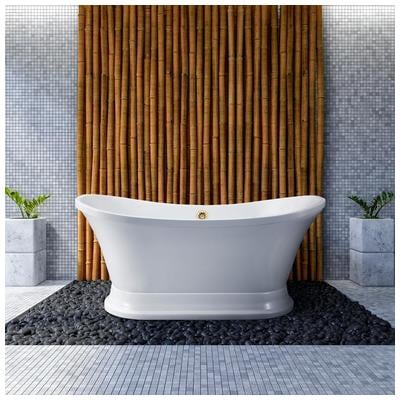
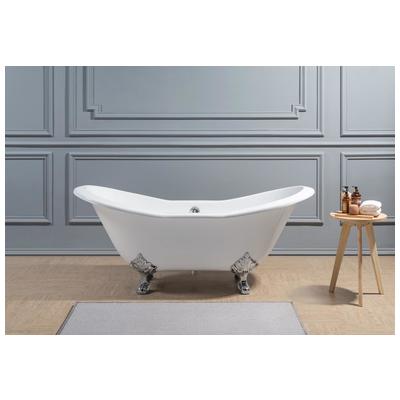
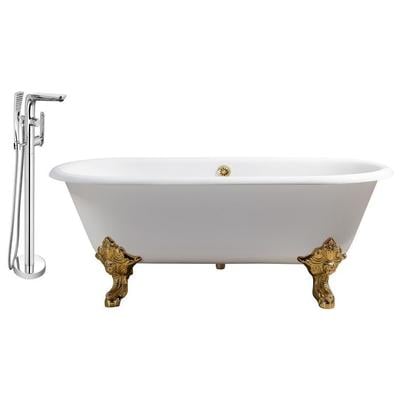
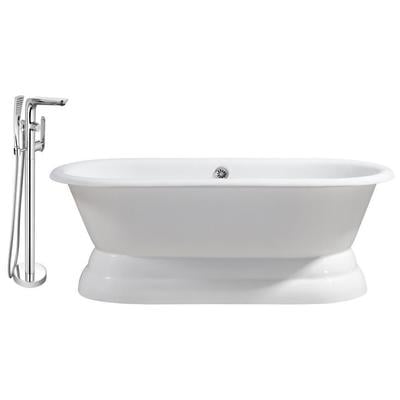
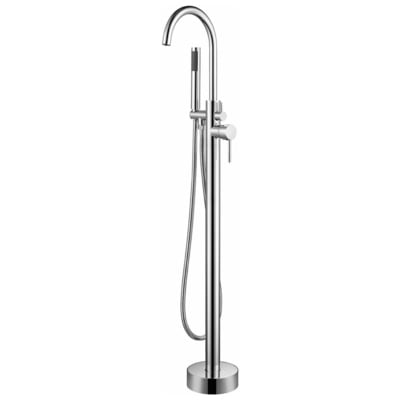
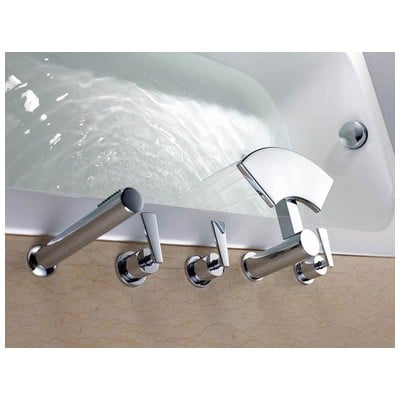
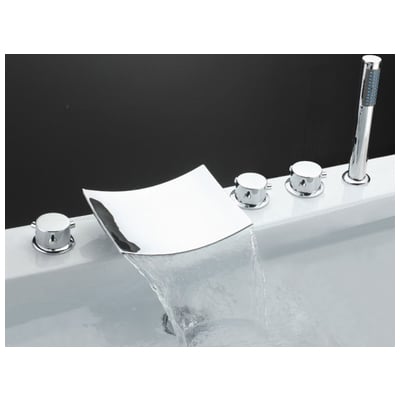
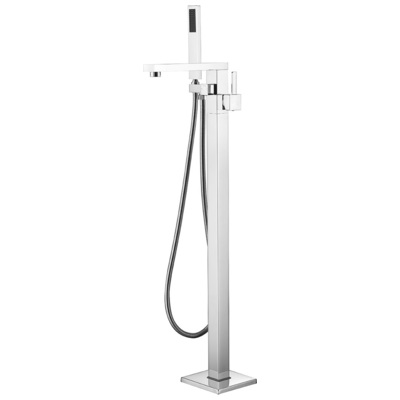
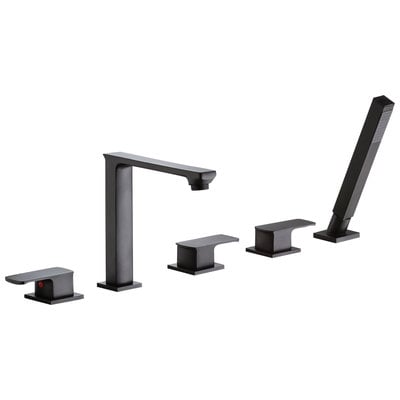
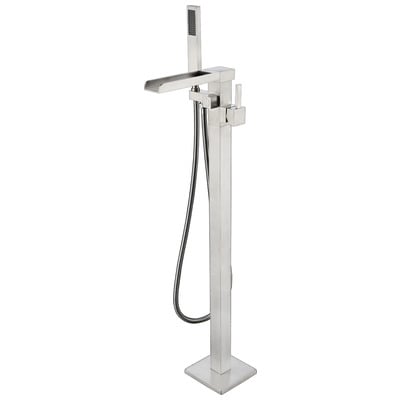
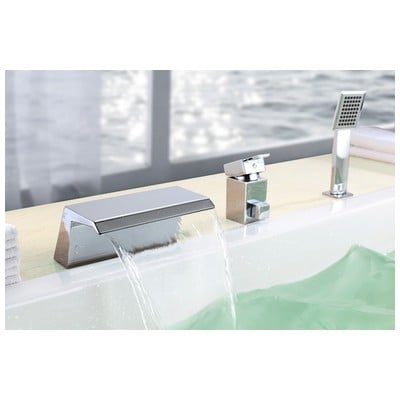
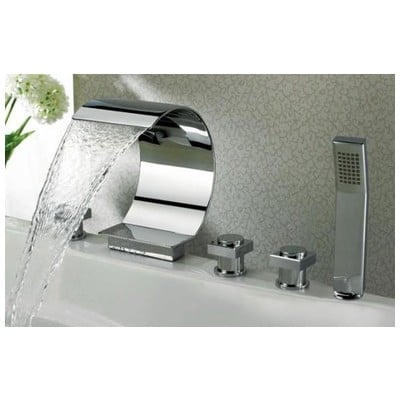
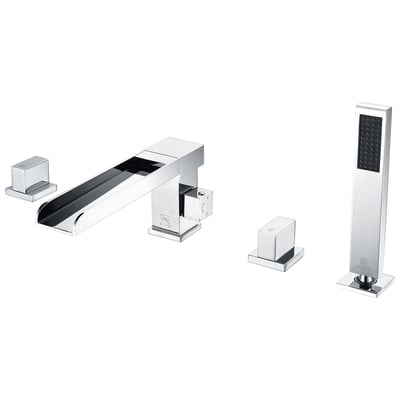
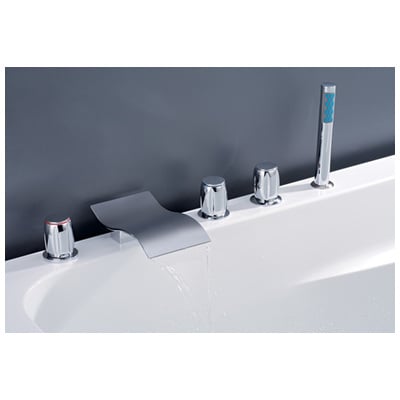
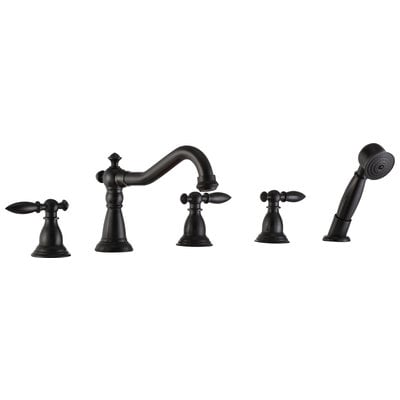
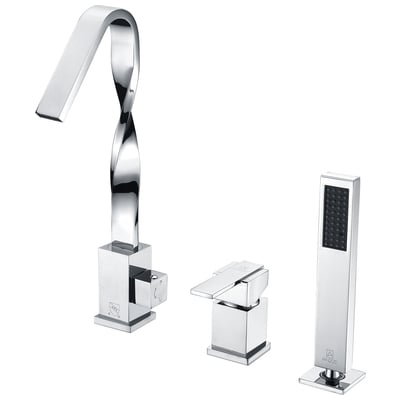
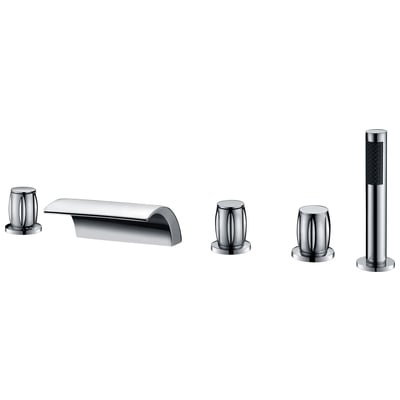
Roman Tub Fillers

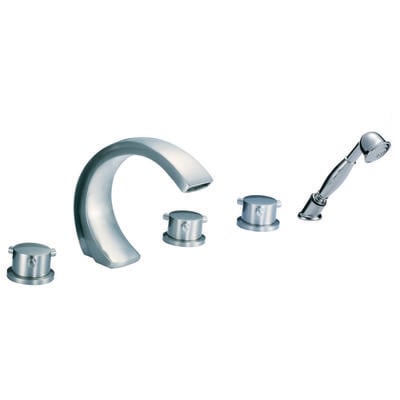
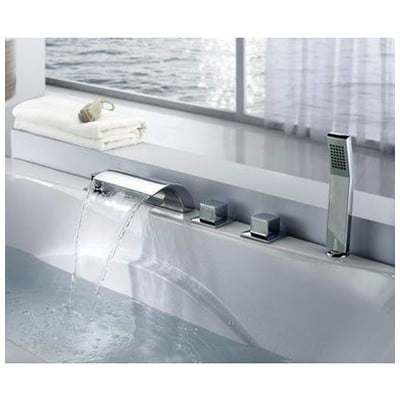
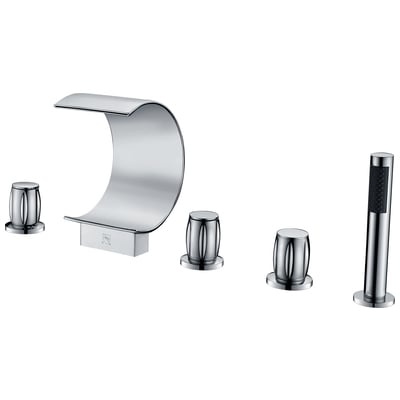
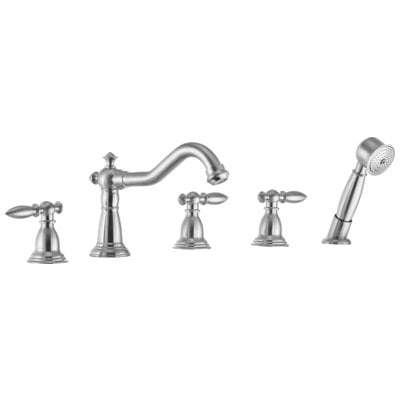
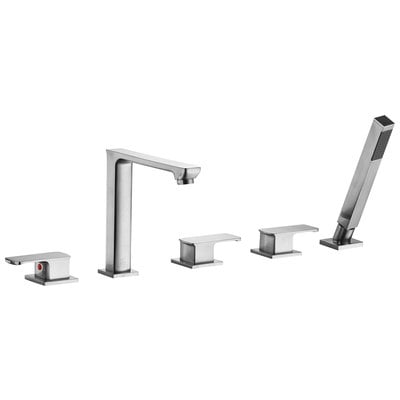
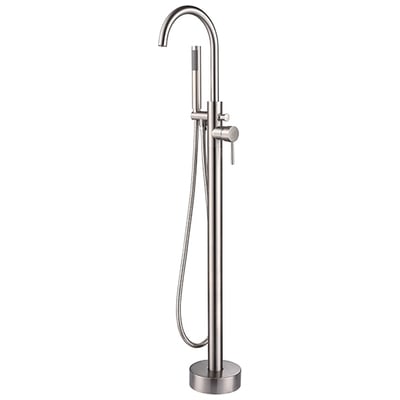
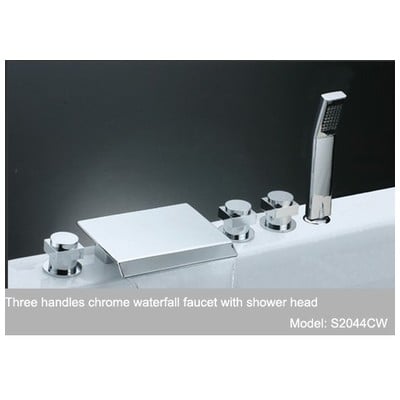
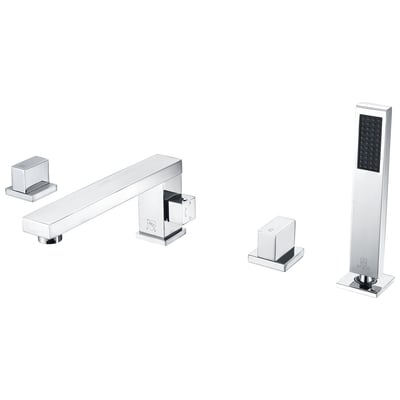
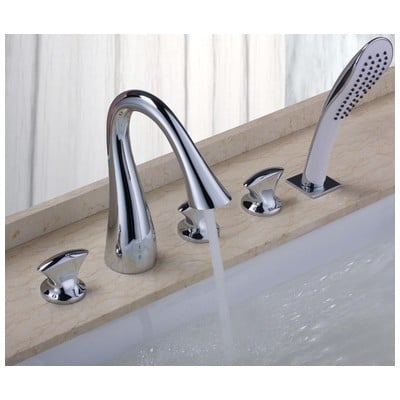
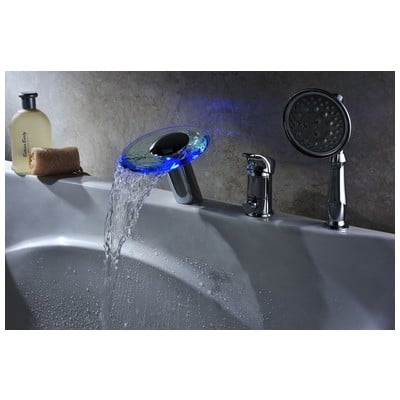
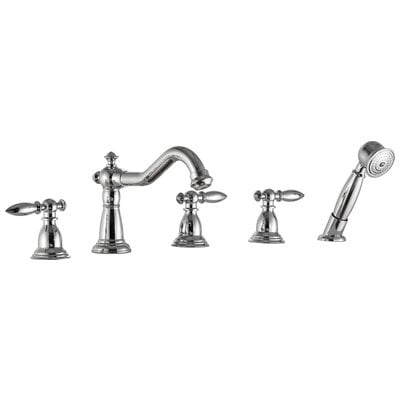
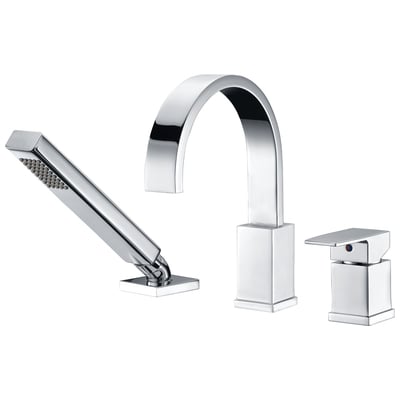
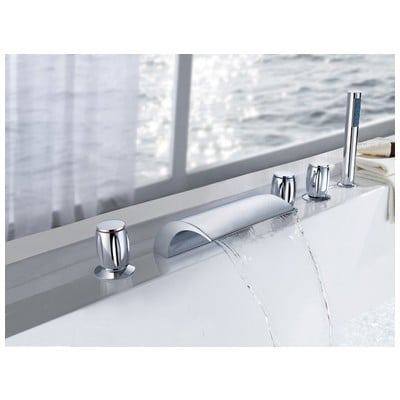
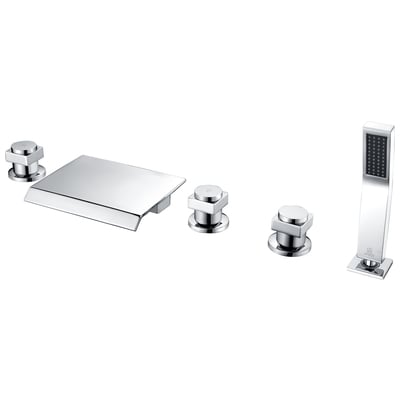
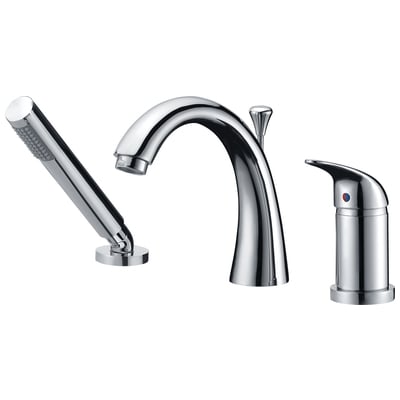
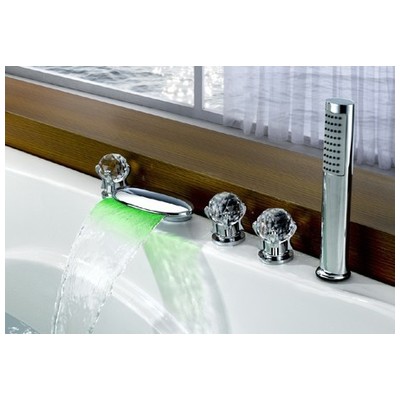
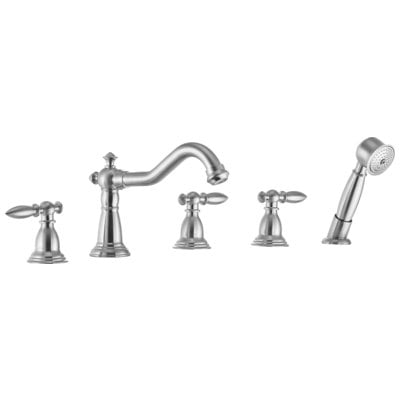
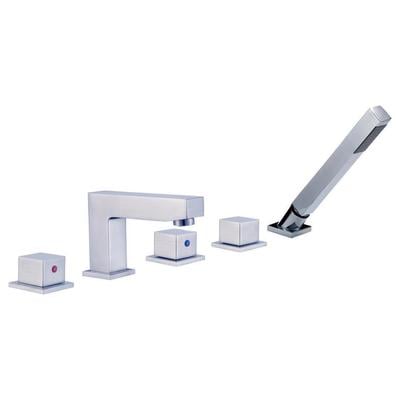
Roman tub fillers come in a wide variety of styles, from simple and classic to ultramodern. But they all share a few characteristics. They tend to have long or arched spouts that can clear the deck of the tub and fill it properly. This makes them look a little like oversized sink faucets rather than tub spouts. But their design allows them to output significantly more water to fill that huge tub faster. You can go as high as about 7 gallons per minute without taxing standard 1/2″ plumbing, but double check with a contractor or plumber before you invest in a really powerful spout to make sure your current setup can supply that much water, and water pressure.
Integrated Shower Head

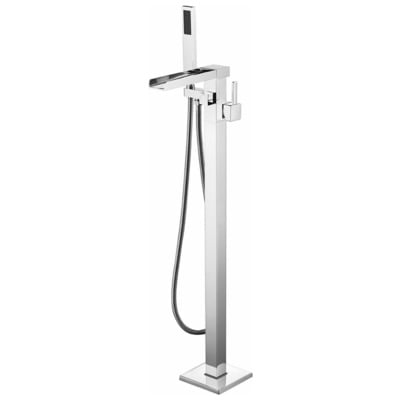
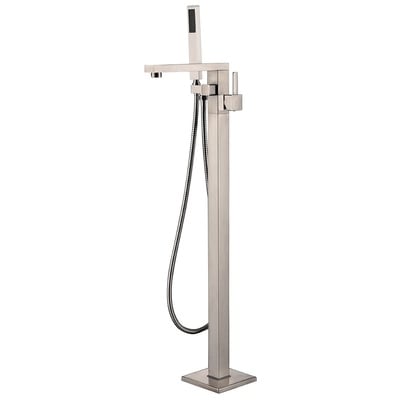
Roman tub fillers often also come with a matching hand shower to make the tub truly freestanding. Again, though, unlike a clawfoot filler that typically leaves the shower head and its flexible supply line exposed, a roman styled one allows the shower head to stand upright on the deck with the supply line hidden down inside it, so it can be removed and retracted, like the kind of spray nozzle you might have on your kitchen sink. This prevents the line from becoming tangled, and presents an overall cleaner look while still allowing you access to a shower head.
Easy-Reach Controls

On a Roman bathtub, the fillers also tend to be installed toward the center of the tub rather than at the head or foot of the tub to be the least obstructive. With the right tub (and plumbing), you can even install the volume and temperature control handles on different parts of the tub, which allows you to adjust the flow levels without leaving your reclined position in the tub. It’s even possible to find remote controlled faucets that allow you to turn the water on or off, raise or lower the temperature, or get a hot top off on your bath at the push of a button. And with a point of use electric water heater, you won’t even have to worry about running out of hot water, no matter how long you soak. Now THAT’S luxury!
A Roman bathtub might not have the same social importance of the Roman baths (other than that you’d like to smell nice around company!). But I’m a true believer in the relaxing and restorative powers of a good long soak. What about you? Do you love to luxuriate, or do you prefer the quick in-and-out clean of a high pressure shower?
Shop Roman Tub Fillers:

Pingback: Whirlpool Tubs - Questions To Ask Before You Buy
Pingback: Big, Beautiful Vanities From Silkroad Exclusive, Modular Vanities for Large Bathroom On A Budget
Pingback: Shower Stalls And Shower Walls: Surprising Solutions For Your Shower
Pingback: Small Renovations To Make Your Bathroom Shine: How A New Tub Filler Can Be A Game Changer