
Building bigger, better showers has become a mainstay of American home design, and an essential part of the trend towards large dream bathrooms. But what if you don’t happen to have a very big bathroom, or a terribly large budget with which to build one? It turns out, there are quite a few ways to lower both the size and the cost of a luxury shower without reducing either the aesthetic appeal or the potential health benefits – you just have to know where to cut back and where to splurge.
For The Truly Small Bathroom

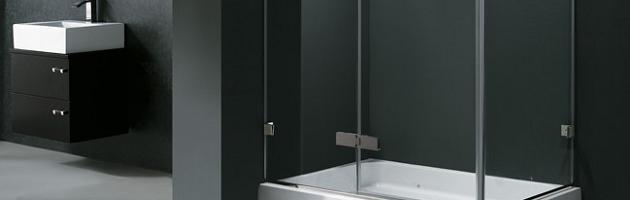
In a small bathroom, the first best solution to saving floor space is to combine your shower into a shower/tub. But shower/tub combos rarely stand up to the visual appeal you’d expect for a bathroom, and trying to incorporate a shower into a clawfoot tub is both cumbersome and messy. But it isn’t impossible to get a cool design in a single piece. This Soleil shower door has a shower-like feel, but is designed specifically to work with a bathtub. It’s sleeker and more streamlined than a sliding shower door, and has the elegant, frameless look that you’d expect from a full-sized shower enclosure.
Compact Corner Shower Enclosures

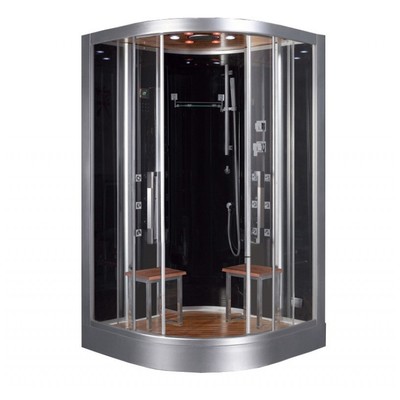
That said, if you can install a separate shower without totally crowding your bathroom, you should. In a limited space, look for a corner-oriented shower floor or shower enclosure. The pie-slice (or sometimes diamond) shape of these shower stalls not only allows them to fit in a corner, but provides you maximum elbow room in the minimal amount of space. Choosing a shower enclosure with an acrylic base is also important, firstly because buying the door and base together can significantly reduce the cost. As well, building a water tight base for your shower is one of the most difficult and expensive aspects of installing a new shower. Choosing a pre-fabricated base limits both the difficulty and the cost, while still allowing you to tile the walls of your shower as you choose.
Steam Shower

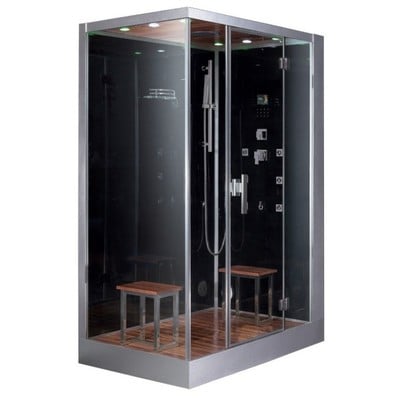
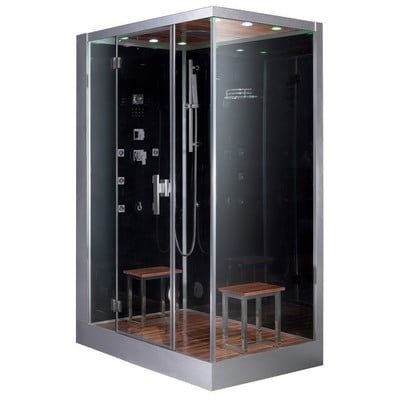
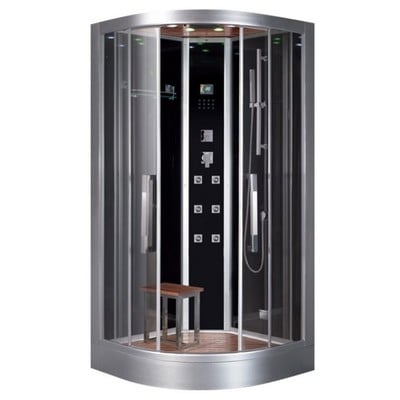
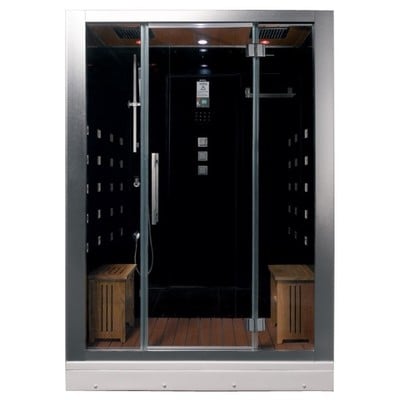
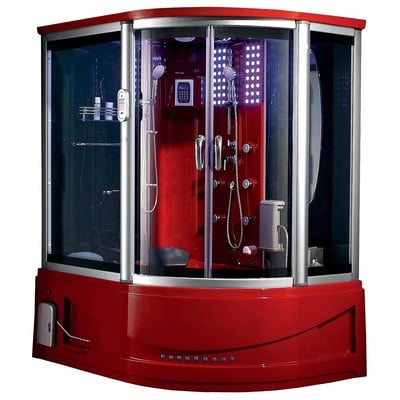
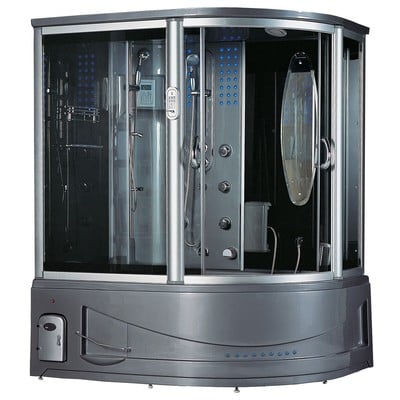
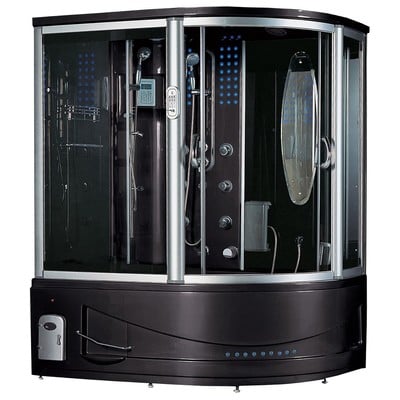
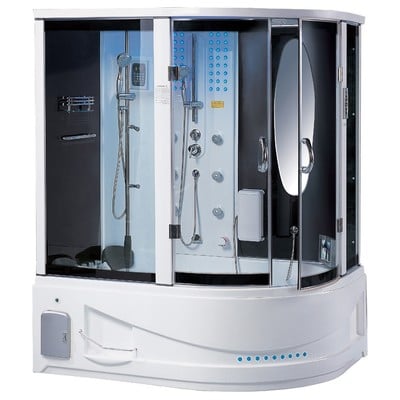
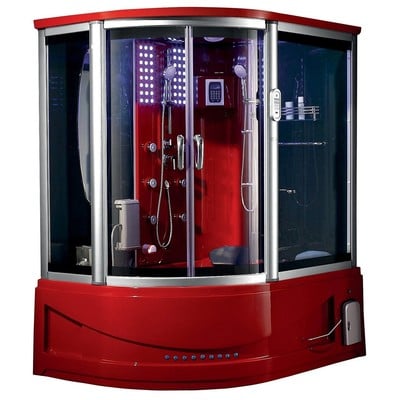
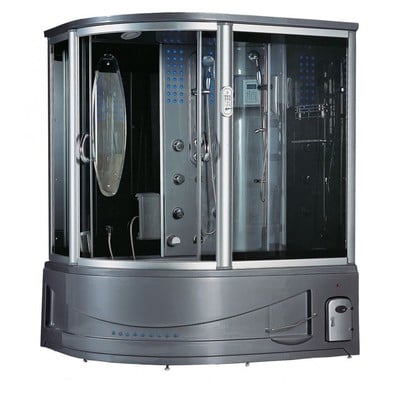
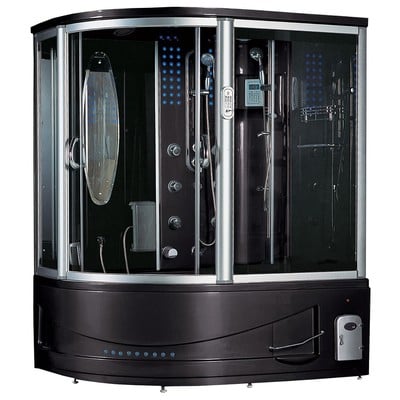
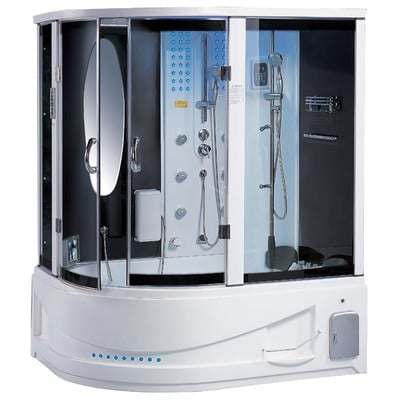
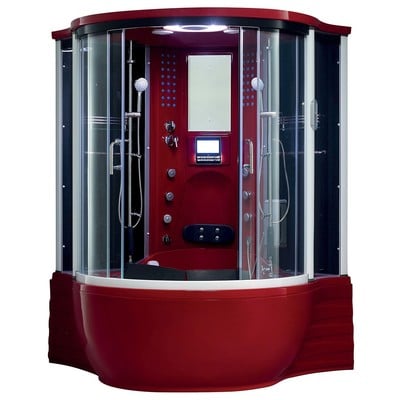
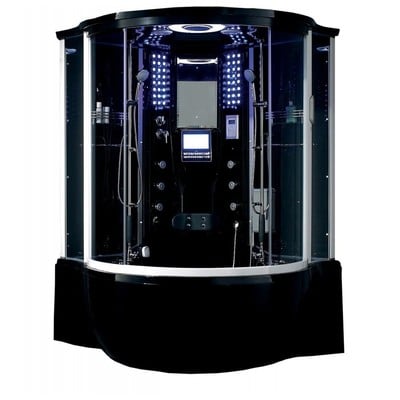
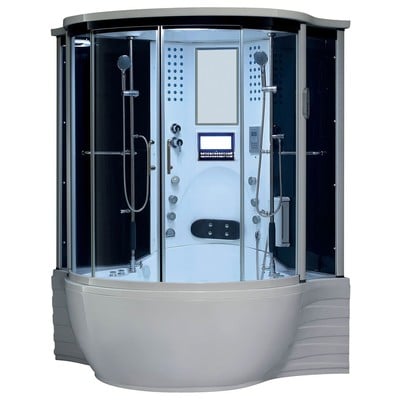
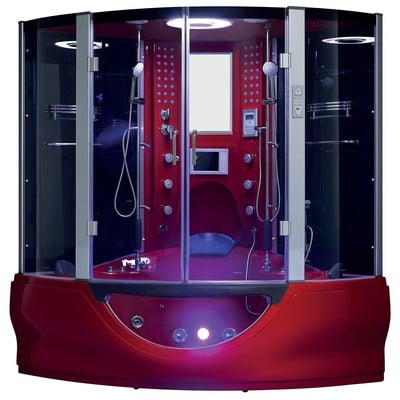
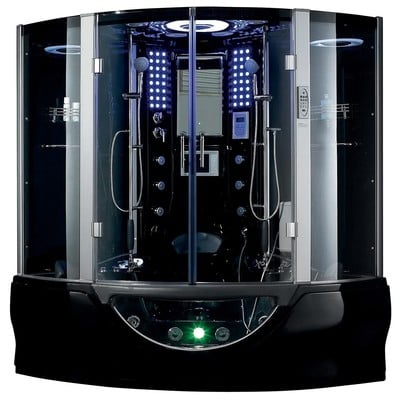
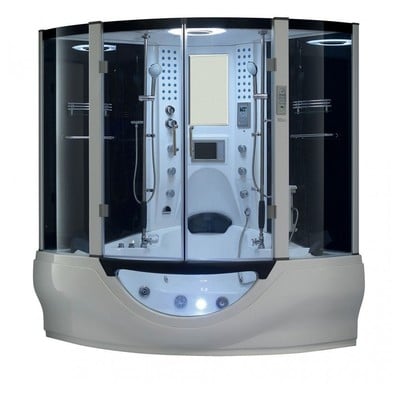
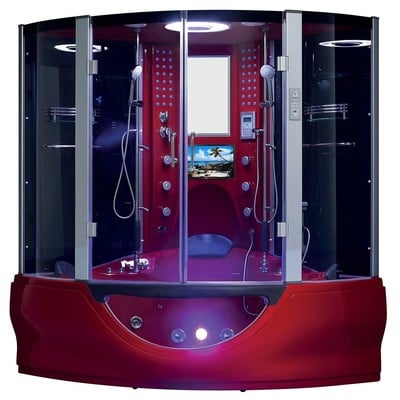
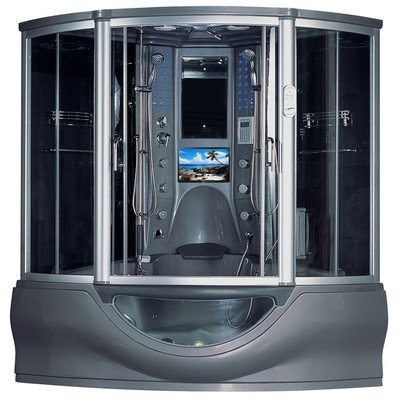
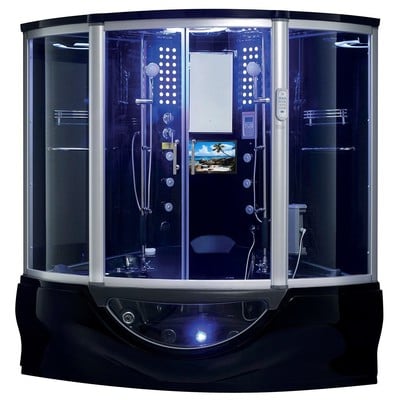
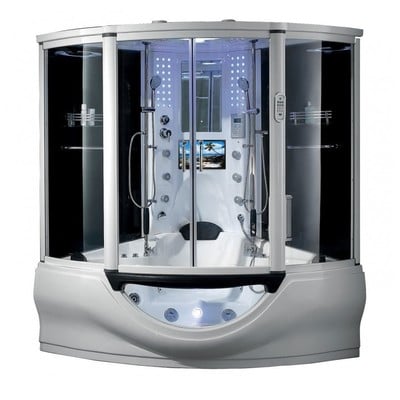
This one isn’t so good on the budget side of things (at least compared to building a regular shower), but is a fantastic option in terms of space conservation, space utilization, and luxury. What is a steam shower? Simply put, it’s a fully enclosed shower unit that replicates the multiple shower heads and body sprayers of a custom shower, and adds the ability to fill with health-beneficial steam. Building an equivalent steam shower from scratch can be prohibitively expensive, involving replumbing and retiling your walls, building a steam-tight shower enclosure, possibly a new water heater, and lots of expensive hardware to boot. But steam showers like this Platinum Steam Shower from Ariel are totally self-contained, easy to install, and come with all the bells and whistles (in this case, chromatherapy, aromatherapy, and a built in FM radio). Plus, smaller models will take up about the same amount of space as a compact freestanding shower.
Shop Steam Showers:
Recess It?

If your bathroom is really abysmally small, you might want to give some thought to what’s on the other side of all the walls of your bathroom. A clever friend of mine once recessed a gorgeous shower into an unused guest closet, significantly extending her turn-of-the-century bathroom. Of course, the moment you put construction on the table, your expenses will go up, but if your small bathroom is absolutely NOT big enough, installing something like this Frameless Shower Door with a recessed shower is a great way to inconspicuously open up your bathroom.
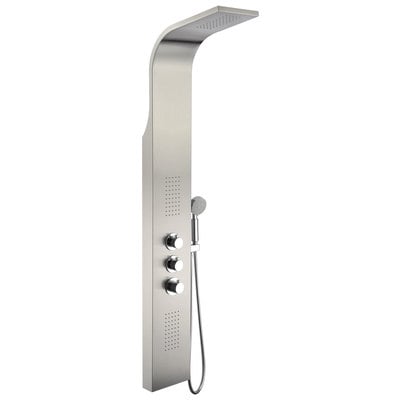
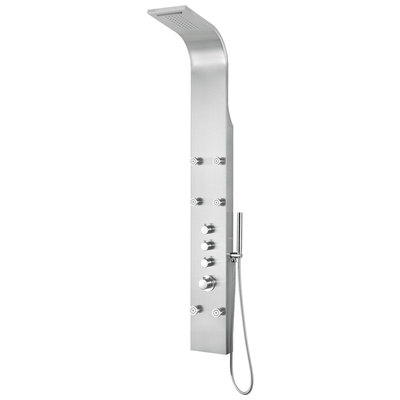
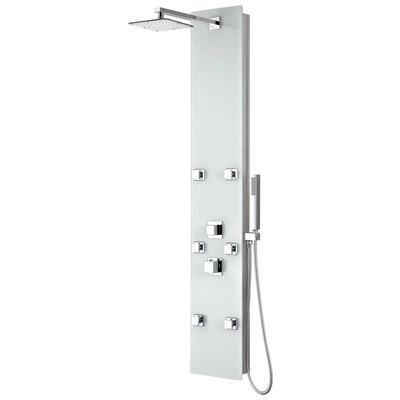
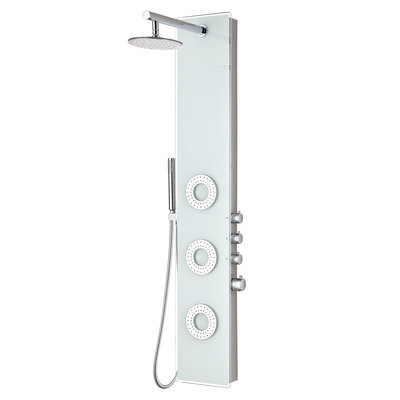
Shower Panel

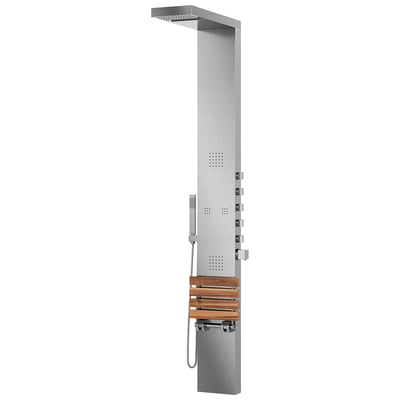
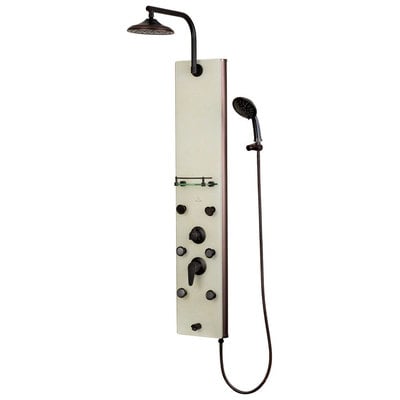
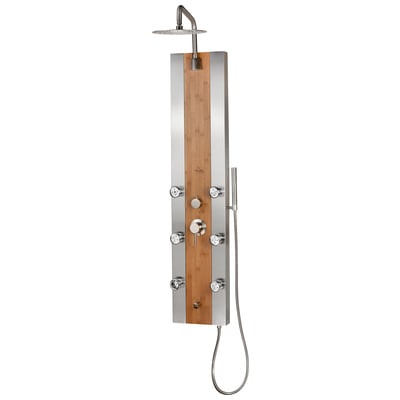
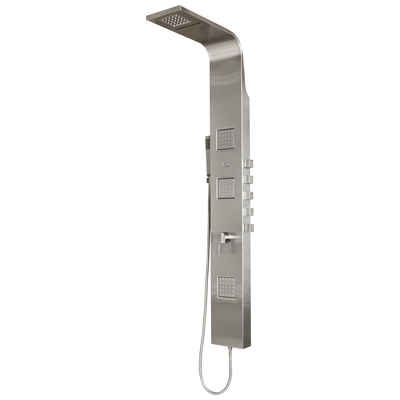
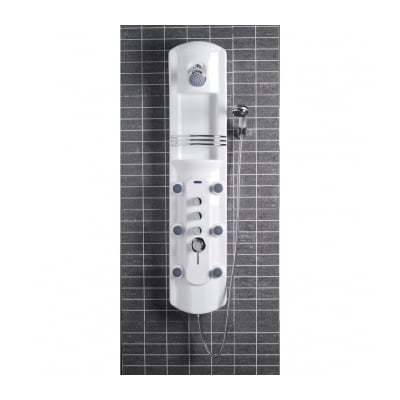
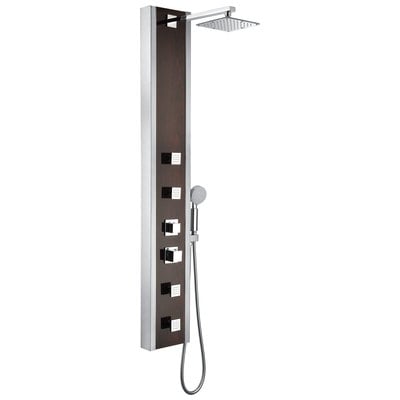
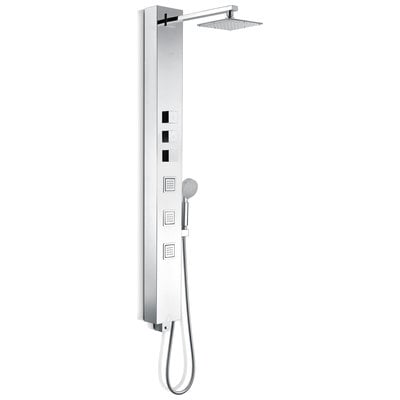
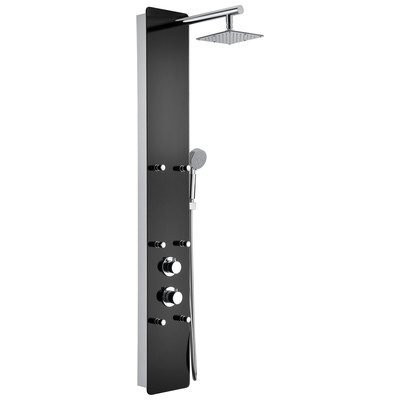
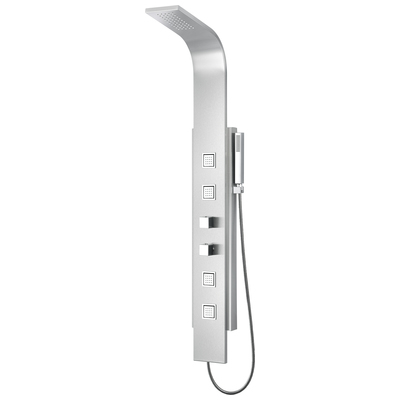
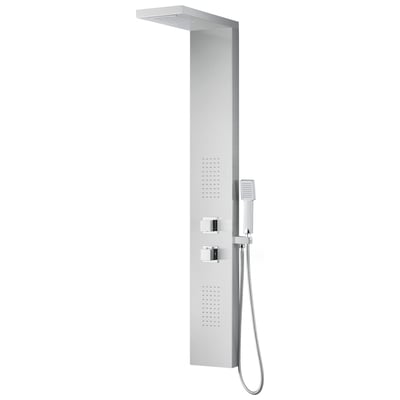
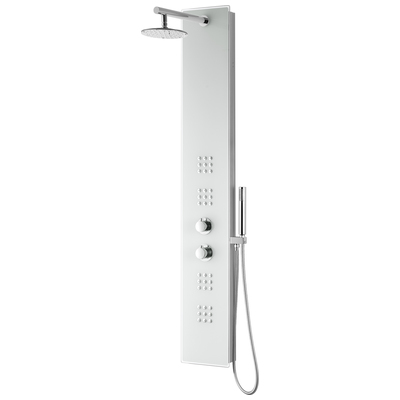
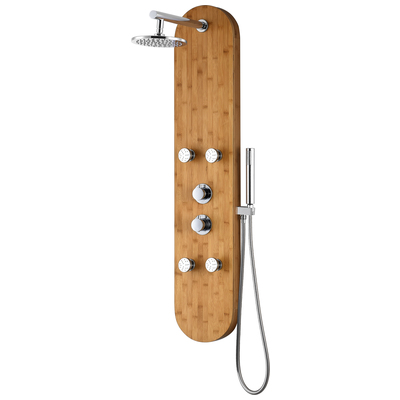
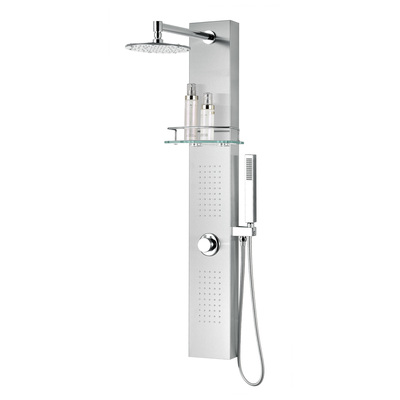
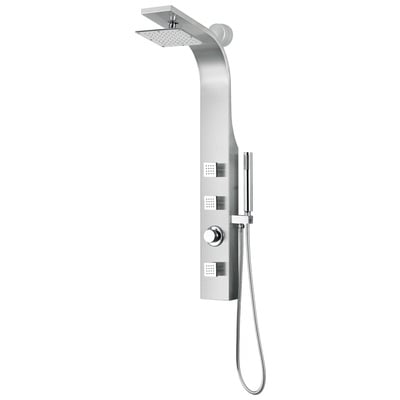
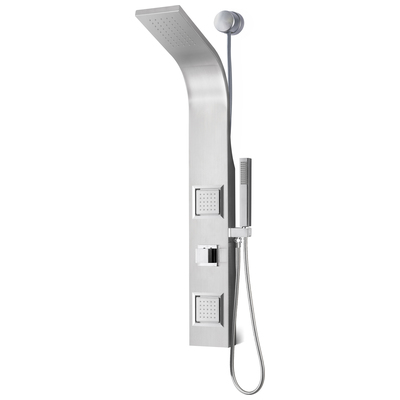
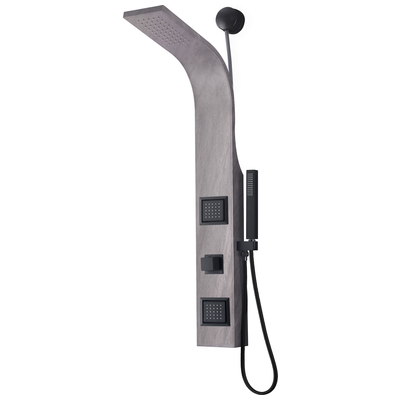
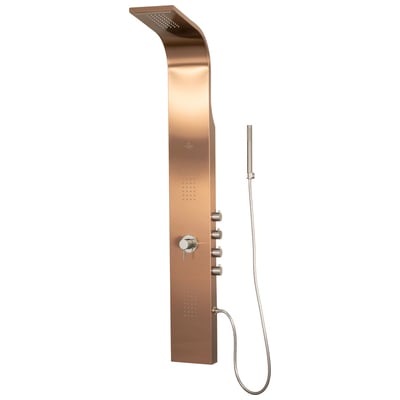
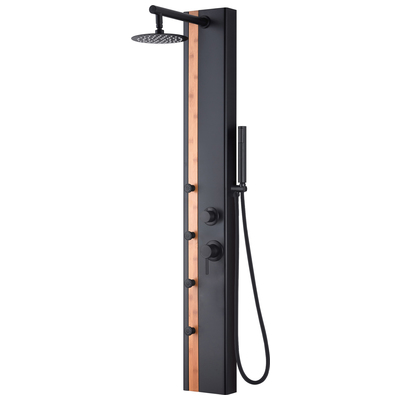
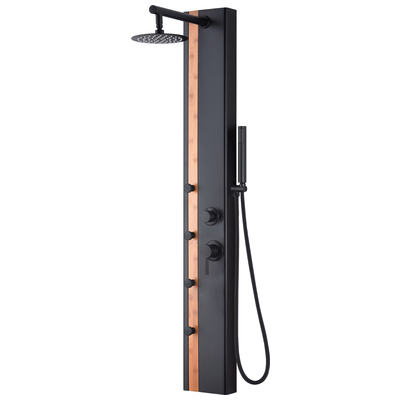
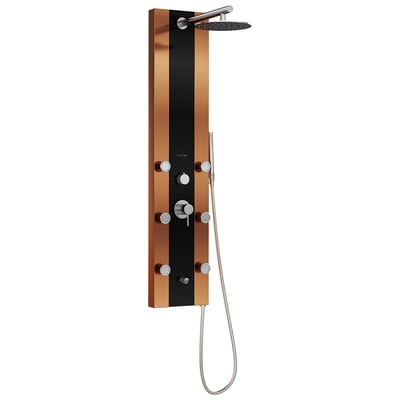
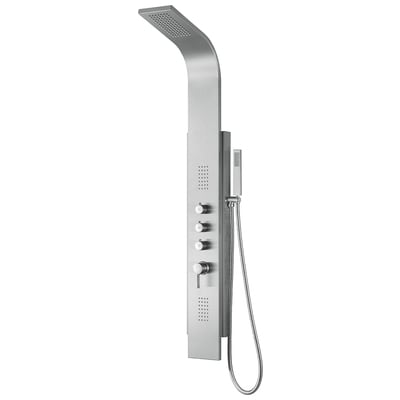
One of the biggest expenses in building a custom shower (regardless of the size) is having to reroute your plumbing and re-tile your walls in order to install the multiple shower heads and body sprayers you want to get a 360 degree all-over water experience. The best way to crush this cost is to opt for a shower panel instead. These are a single metal or plastic plate that attaches to your existing shower arm and installs exactly the same way a new shower head would, but has multiple built in shower heads as well as three to eight body sprayers. Something like this Acrylic Shower Panel redistributes the water to multiple sprayers without any additional construction or plumbing. Bonus? It works especially well in a small shower.
Shop Shower Panels:









Use Glass To Your Advantage

Finally, it’s important to remember that size is as much mental as it is physical. How small a small bathroom is depends not only on the actual size of the space, but also largely on what you do with it and how you see it. It’s why small turn of the century bathrooms featured lots of light-reflecting white tile, and why, if you want to build a bigger looking bathroom, you should always opt for clear glass. Shower curtains literally close off a whole section of your bathroom, and even frosted glass shower doors visually stop the eye. In both cases, it can make the difference between being able to build a separate shower and winding up with a bathroom that just looks cramped. That’s why I like frameless shower doors – they’re made of unblemished walls of glass that you can look right through, visually reducing the footprint of the shower and keeping the bathroom looking wide and open.
Space and money are any homeowner’s two worst enemies when it comes to remodeling. But even if you’re short on both, it doesn’t mean you can’t turn your small bathroom into a dream bathroom, separate shower and all. Which of these techniques do you think would work best in your bathroom? Are you more concerned about the look of your shower, or the luxury features?

Great article, it’s really difficult to optimize the space in small bathroom and to sesign it on a budget.